Seal impacts on cod recovery confirmed!
Harp seals are having a real impact on groundfish recovery, and it’s time for balanced ocean management. Read the full study: CLICK HERE.
Read the full studyRead the full study
Read the full study

Shop
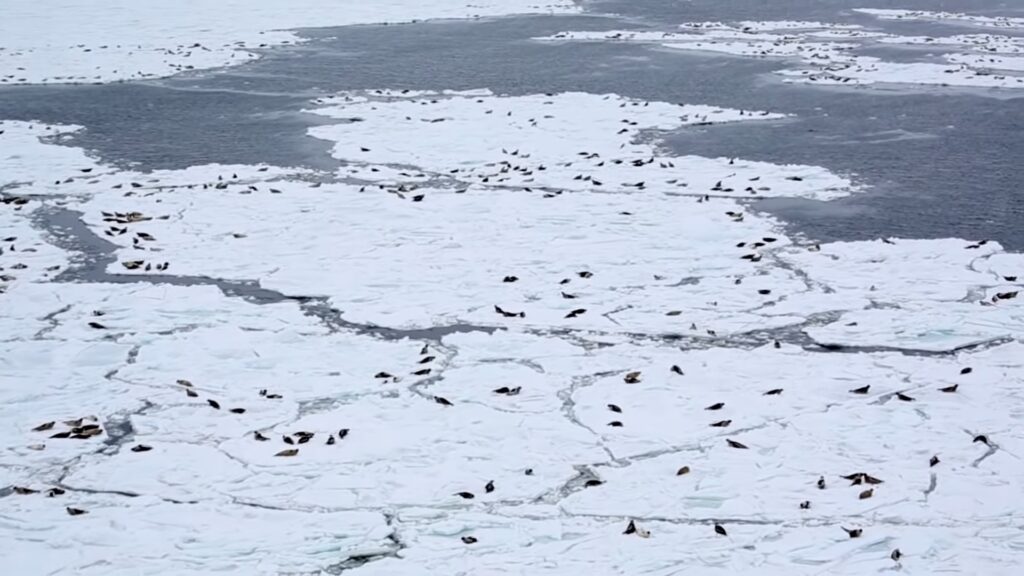
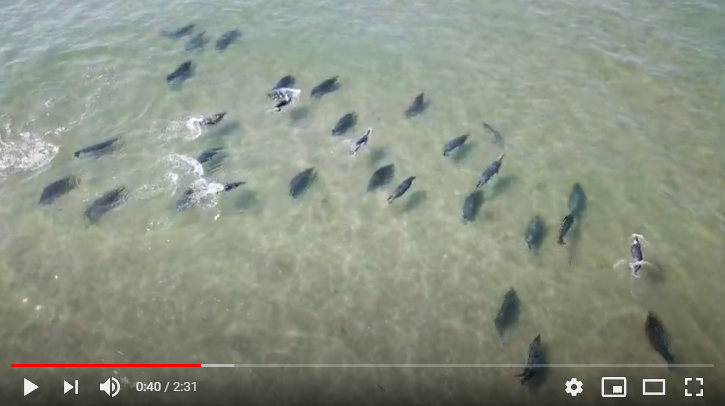
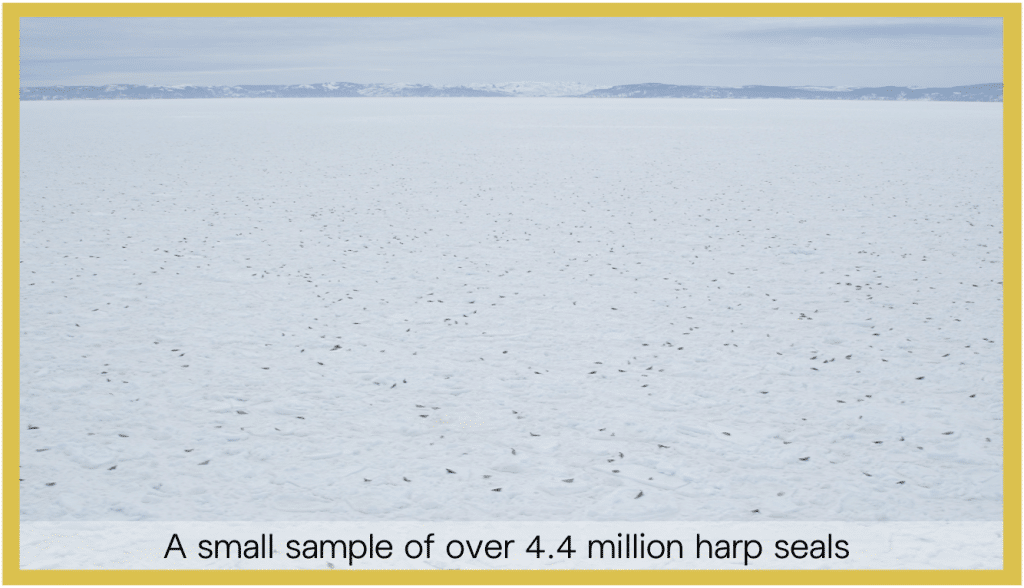
This video shows a small sample of the estimated 4.4 million harp seals of the Northwest Atlantic. The footage was taken in April 2022 off the Northeast Coast of Newfoundland, just south of the Horse Islands, NL, Canada.
Canada’s fish stocks are declining, and our commercially important fisheries are under pressure as a result. Losing these vital ocean resources doesn’t just affect our coastal communities. It affects every Canadian.
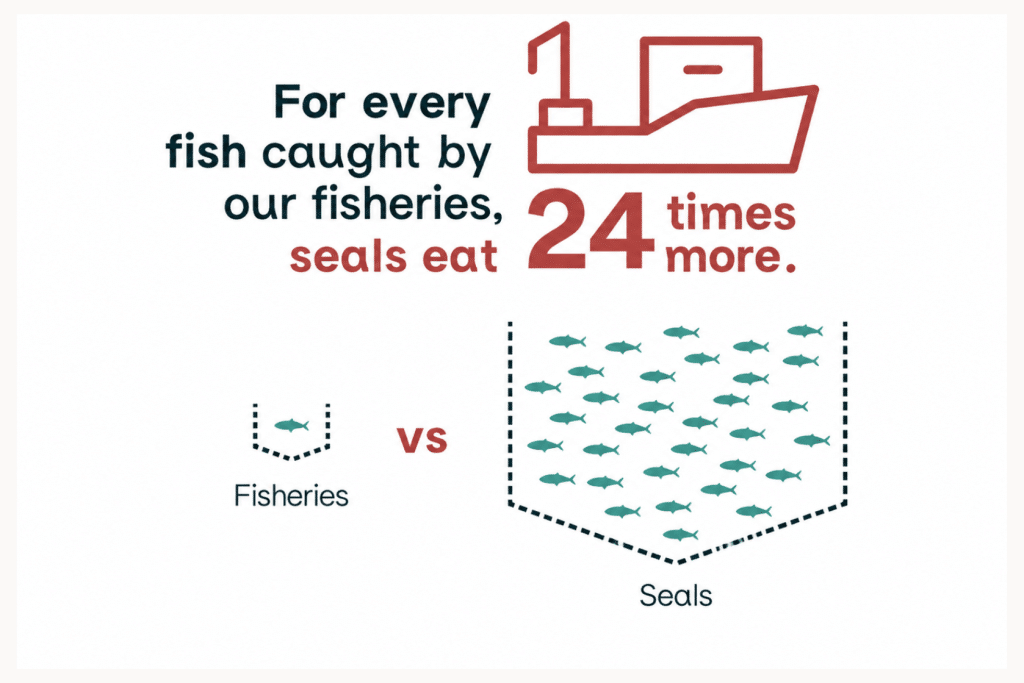
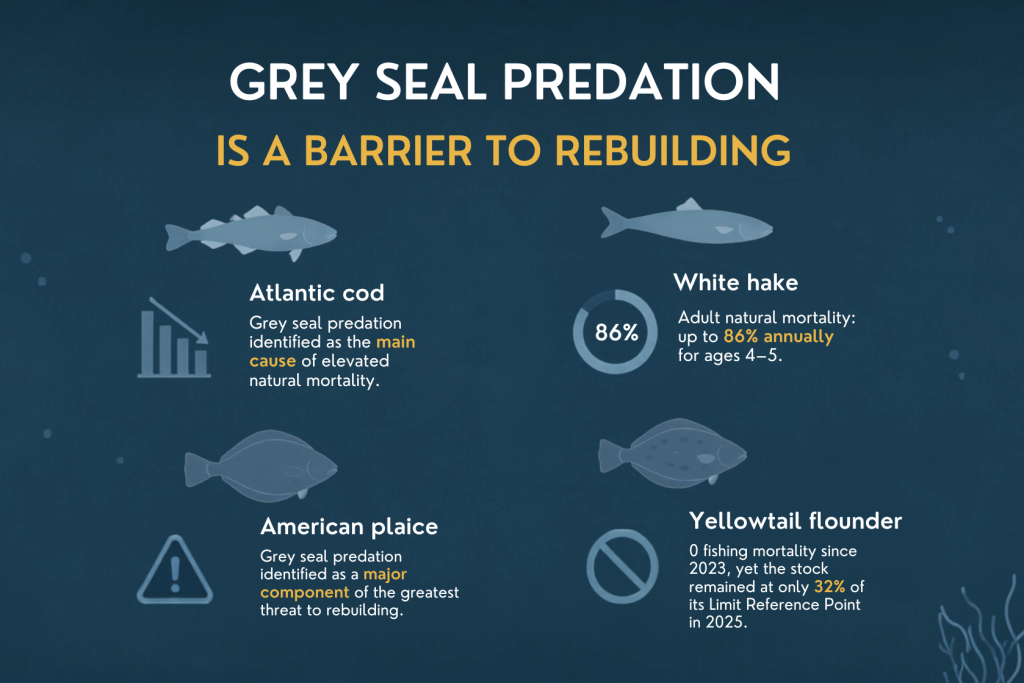
A 2025 peer-reviewed study found that, from 2018 to 2020, harp seals in Newfoundland and Labrador consumed 24 times more biomass of exploited fish species than was harvested by fisheries. Predation mortality caused by harp seals was also 17 times higher than fishing mortality. Harp seals have a greaterimpactthan fisheries on the stalled cod recovery in Newfoundland and Labrador https://www.int-res.com/articles/meps_oa/m772p215.pdf
Controlling seal populations is one way we can help fish stocks rebound. In turn, healthier fish stocks support our fisheries and ocean economy, which contribute over $51.9 billion to GDP and support 420,206 direct, indirect and induced jobs. Direct, indirect and induced employment by sector, 2024 https://www.dfo-mpo.gc.ca/stats/maritime/tab/mar-tab4-eng.htm
Harp seals are having a real impact on groundfish recovery, and it’s time for balanced ocean management. Read the full study: CLICK HERE.
Read the full study

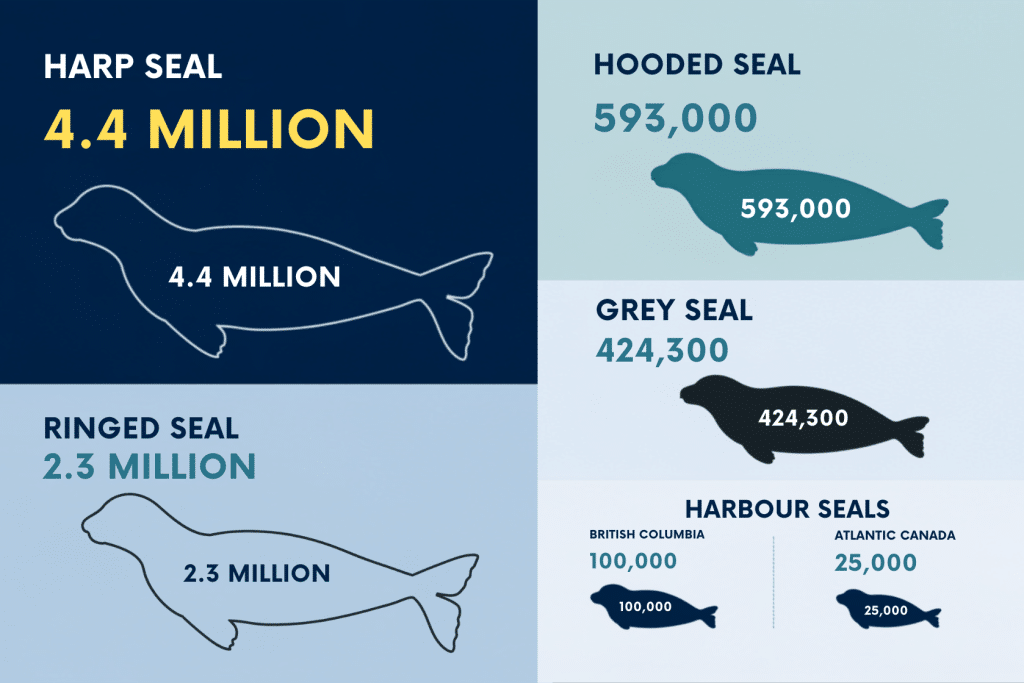
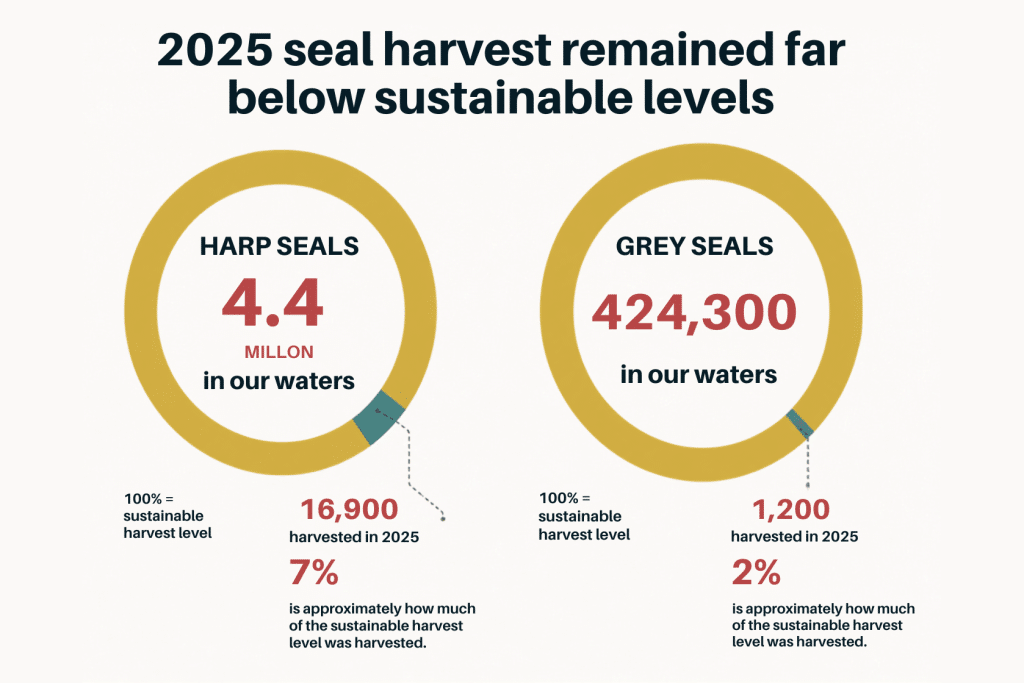
Canada’s seal harvest remains well below sustainable harvest levels, while seal populations remain abundant.
Combined estimated population of harp, grey and ringed seals in Canadian and adjacent waters
Harp seals consumed 24 times more biomass of exploited fish species than fisheries
Proportion of the sustainable harp seal harvest level taken in 2025
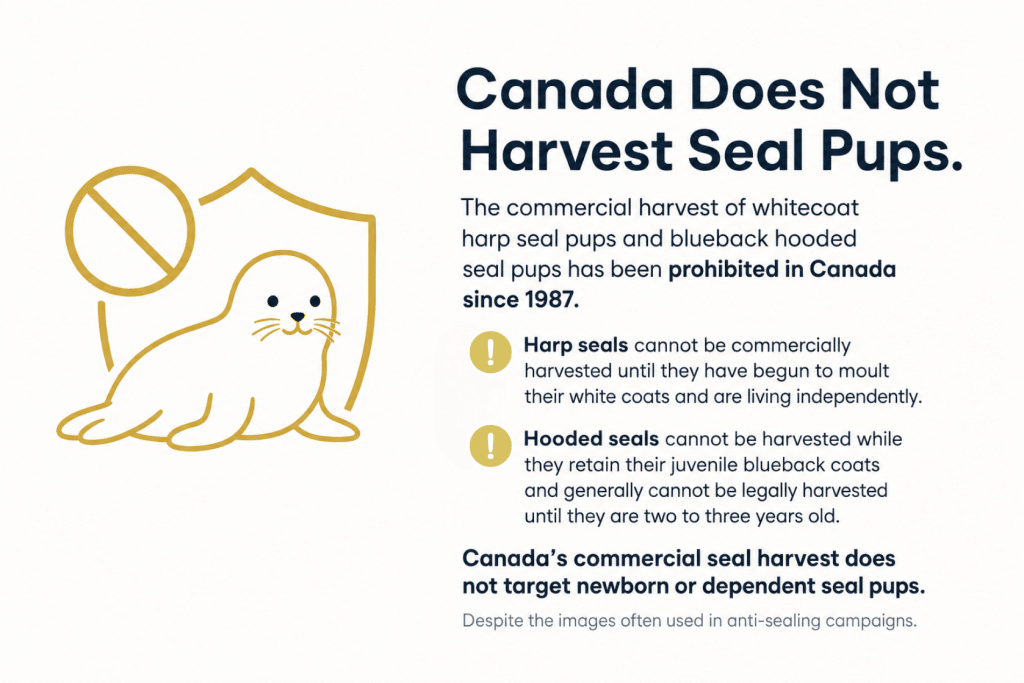
The commercial harvest of whitecoat harp seal pups and blueback hooded seal pups has been prohibited in Canada since 1987. Harp seals cannot be commercially harvested until they have begun to moult their white coats and are living independently. Hooded seals cannot be harvested while they retain their juvenile blueback coats and generally cannot be legally harvested until they are two to three years old. Canada’s commercial seal harvest therefore does not target newborn or dependent seal pups, despite the images commonly used in anti-sealing campaigns.
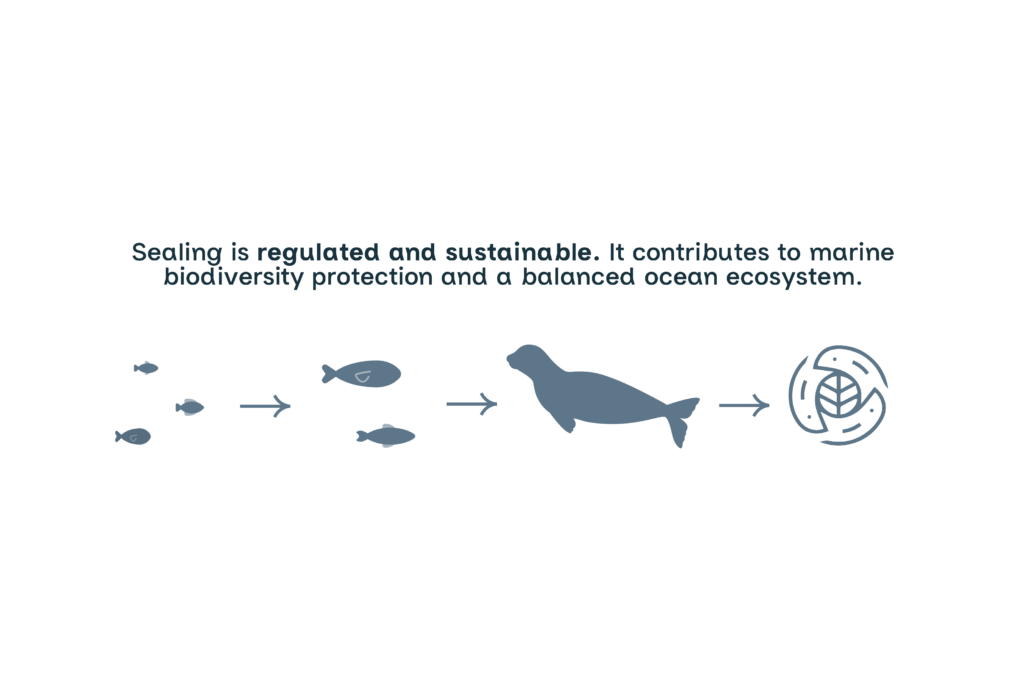
The Canadian seal population eats over 24 times more fish than the entire Atlantic Canadian fishing fleet’s annual seafood harvest.Several studies have indicated the amount of fish eaten by harp seals. A study of harp seals by Polar Research estimated 7.4 kg/day for adult males and 9 kg/day for adult females, with females consuming more to support pregnancy and lactation. Assuming the population is half male and half female, that means an average seal eats 2.99 tons/year. LINK
The 2019 hunt alone saved our fishery $250 million in fish resources that would otherwise be consumed by seals.Approximately 32,000 harp seals were harvest in 2019. It is estimated that seals eat over 1.5 tons of fish per year. The value per tons of fish was at $5,200 in 2018. Source: 32,000 seals x 1.5 tons x $5,200 = $CAD 250 MILLION.
Harp and Grey seals are part of the LIST of the 41 marine species that are valued by “Smarter Seafood” eco-guide, created to enable the sustainable development of the St. Lawrence.
Learn more
Learn more
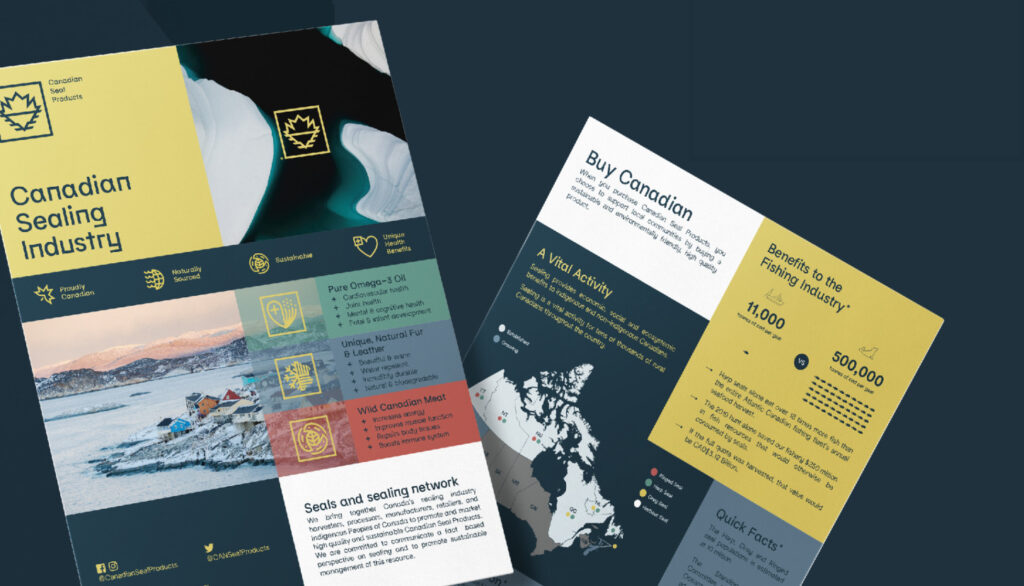
We bring together Canada’s sealing industry harvesters, processors, manufacturers, retailers and Indigenous peoples of Canada to promote and market high quality and sustainable Canadian Seal Products. You can learn more about our mission and the industry in our brochure.
Download brochure
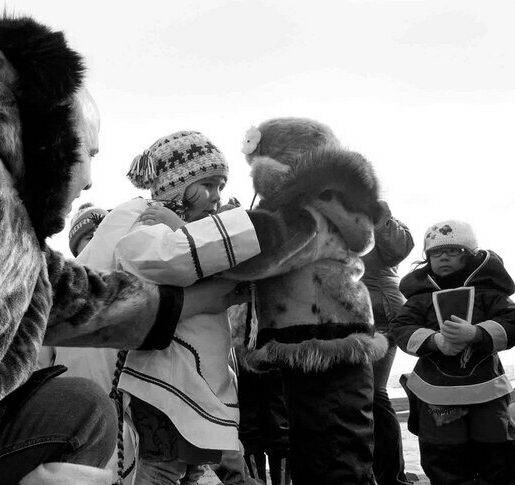
Sealing is a vital activity for ten of thousands of rural Canadians throughout the country. Seal hunt sustains northern and coastal communities nutritionally, culturally and economically.
Learn more
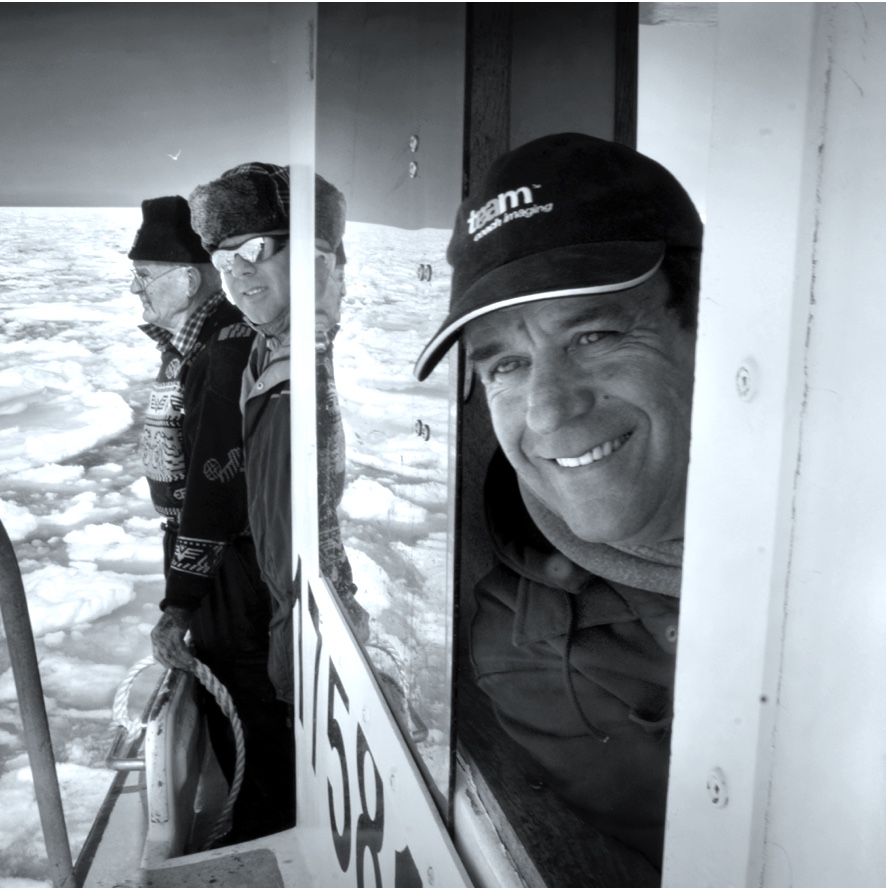
Canada’s world-leading animal welfare standards, codes of practice, training and licensing programs ensure human harvesting and the highest quality products.
Learn more
Learn more